

Key Takeaways
Why paint fails prematurely
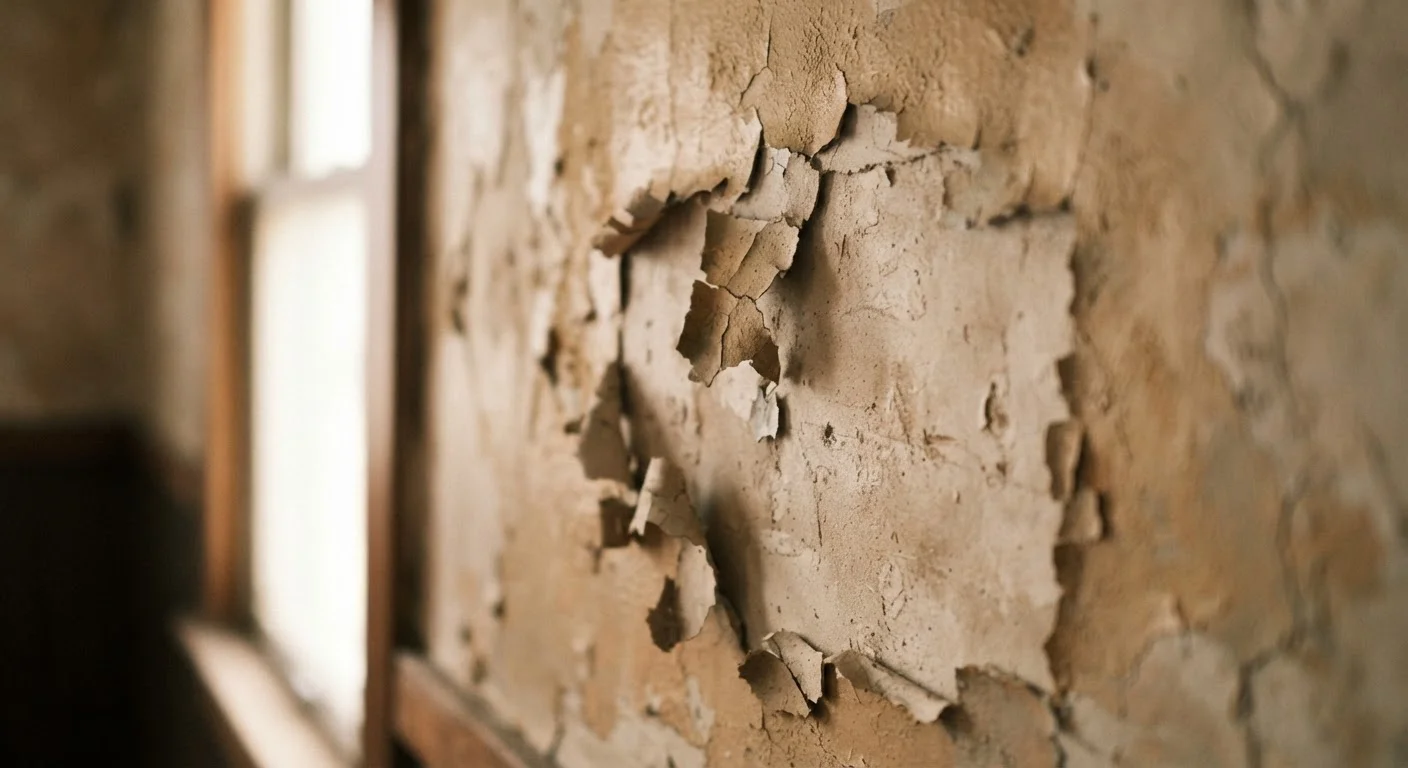
Peeling paint is almost never a defect in the can. It is the result of the paint film losing contact with the surface beneath it, and that loss of contact happens before the brush is even picked up. The preparation stage determines whether a paint job lasts three years or fifteen, and it is also the stage most commonly shortened when families are trying to save money on interior painting.
Paint adheres through mechanical and chemical bonding. It needs a surface that is clean, slightly porous, and stable. When any of those conditions are absent, the film cannot hold. Low-cost paint compounds this problem because the binder that holds the pigment together and anchors it to the wall is present in smaller amounts.
2-3 years
Typical lifespan of paint applied over unprimed surfaces
Paint industry guidelines generally indicate that skipping primer on bare or patched drywall can reduce paint lifespan to under three years in normal interior conditions.
30-50%
Volume solids range across interior paint grades
Technical data sheets for interior latex paints commonly show volume solids ranging from around 30% in budget formulations to above 45% in higher-grade products, which affects film thickness and durability.
The most common prep mistakes
The errors below account for the large majority of premature peeling on interior walls. Each one is avoidable without professional help or specialized tools.
Skipping surface cleaning before applying any paint.
Why it happens: Walls look clean to the eye, so washing them feels like unnecessary work. Grease, dust, and soap film are invisible at a normal viewing distance but prevent adhesion.
Applying paint directly over glossy surfaces without abrading them first.
Why it happens: Many homeowners assume a fresh coat simply bonds to whatever is underneath. Gloss finishes, by design, have low surface porosity, giving new paint almost nothing to grip.
Skipping primer, especially over patched areas, new drywall, or stains.
Why it happens: Primer adds time and cost, and the marketing on some paint-and-primer combination products suggests it can be eliminated entirely. In practice, combination products perform adequately only on surfaces that are already in good condition.
Buying the lowest-cost paint without checking its binder and pigment content.
Why it happens: Price is the most visible variable when comparing cans on a shelf. Lower-cost paints often have higher filler content and less acrylic binder, which directly affects how well the dried film holds together and adheres to walls.
Painting over peeling or flaking existing paint without removing it.
Why it happens: Scraping and sanding loose paint is tedious, and it is tempting to assume a fresh coat will lock down what is already there. It does not. New paint adheres to the old surface, and wherever the old surface is failing, the new coat fails with it.
What to do when moisture is the real problem
Moisture must be fixed before painting
Painting over an active moisture problem will not seal it out. Water vapor pushes through paint film from behind, causing bubbling and peeling within weeks. Find and fix the source of moisture first, whether that is a plumbing leak, inadequate ventilation, or missing caulk around windows. A licensed professional should assess any moisture intrusion that has affected drywall or framing.
Bathrooms, laundry rooms, and exterior-facing walls are the areas most likely to show paint failure driven by moisture rather than poor prep technique. In these spaces, the choice of paint finish matters beyond just aesthetics. Semi-gloss and satin finishes resist moisture penetration better than flat finishes and are easier to clean without abrading the film. Even so, finish choice cannot compensate for an underlying moisture problem.
Improving ventilation in bathrooms and kitchens, sealing gaps around window and door frames, and checking that exhaust fans actually vent outside rather than into the attic are all steps that protect paint far more than upgrading to a premium product.
Getting more from a modest paint budget
Drying time is not the same as curing time
Paint that feels dry to the touch within an hour may need 24 to 48 hours before it can accept a second coat without delaminating. Rushing this step traps solvents between layers. Always follow the recoat window printed on the paint can, and factor in humidity and temperature, since both slow curing considerably.
The most cost-effective interior paint job comes from spending the available budget on prep materials and a mid-grade paint rather than on a premium paint applied over a poorly prepared surface. Sandpaper, a quality primer, and a proper cleaning solution cost a fraction of what a second full paint job costs when the first one fails in year two.
Applying two thinner coats produces a more durable film than one thick coat, because thick coats trap solvents as they dry and are prone to cracking. Each coat should be fully dry to the touch and within the recoat window specified on the label before the next one goes on.
For a broader look at which home improvement tasks are genuinely worth doing yourself and which carry enough risk to warrant professional help, see the real trade-offs of DIY versus hiring a contractor.