

Key Takeaways
Curb appeal
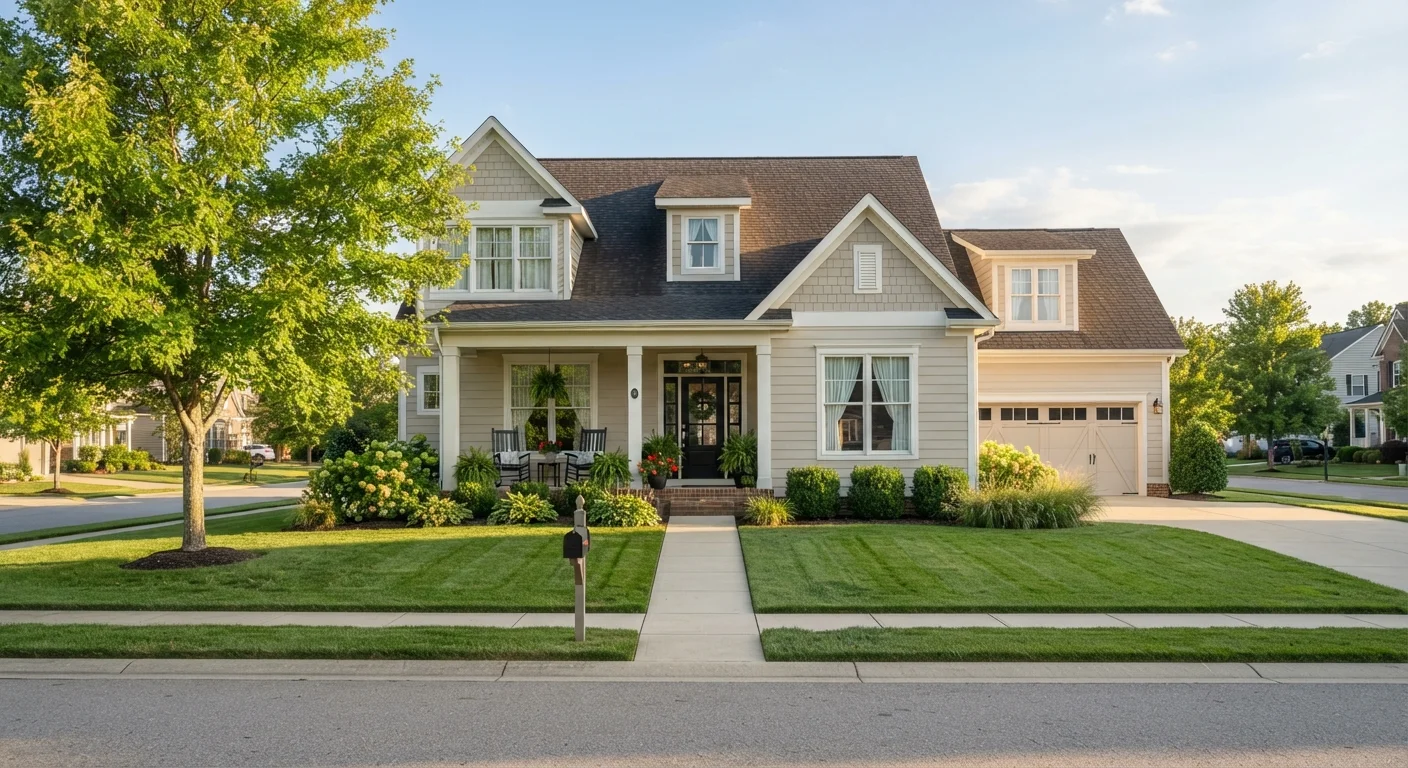
Curb appeal refers to how attractive a property looks when viewed from the street. It covers the condition and appearance of everything visible from outside the property line: the lawn, landscaping, driveway, walkways, exterior paint, windows, roof, and front entryway. While the term is often used in real estate, it applies to any home regardless of whether the owner plans to sell.
In real estate appraisal, exterior condition is a formal factor in determining market value; appraisers assess visible maintenance and upkeep as part of the overall property evaluation.
More than a first impression
The phrase "curb appeal" gets used loosely to mean making a home look nice from the street. That framing is not wrong, but it misses the practical weight the concept carries. How a home looks from outside is also a signal of how it has been maintained, and that signal reaches appraisers, insurers, neighbors, and potential buyers, whether or not you have any plans to sell.
Exterior appearance and structural condition overlap more than most homeowners realize. Peeling paint is a cosmetic issue, but it is also a moisture protection problem. An overgrown front bed reads as neglected, and it can also hide pest activity or water pooling near the foundation. Curb appeal, looked at honestly, is partly about aesthetics and partly about catching problems before they become expensive.
Start with a walk-around, not a shopping list
Before spending anything on exterior improvements, spend ten minutes standing at the street and photographing what you see. A photo reveals details the eye skips over when you are used to looking at a space. Note anything that looks worn, damaged, or inconsistent, then sort by maintenance versus decoration. Fix maintenance issues first.
What curb appeal actually includes
A useful way to think about curb appeal is to stand at the street and look at every element that is visible. That list includes:
- Lawn condition: coverage, height, edge definition, and absence of weeds or bare patches
- Landscaping: tree and shrub health, mulch condition, any visible planting beds
- Driveway and walkways: cracks, staining, settling, or surface deterioration
- Exterior walls: paint or siding condition, visible staining, mold, or damage
- Roof: missing shingles, moss or algae growth, sagging sections, gutter condition
- Windows and trim: paint condition, visible rot, screen condition, caulking around frames
- Front entry: door condition and paint, hardware, lighting, house numbers, mailbox
- Fencing: stability, paint or stain condition, broken sections
None of these elements stands alone. A freshly painted door on a home with cracked walkways and peeling window trim still reads as poorly maintained overall. Curb appeal is assessed as a whole, not item by item.
Why it connects to property value and costs
Property appraisers use exterior condition as one input in determining market value. A home that shows visible deferred maintenance, such as damaged gutters or rotting wood trim, may appraise lower than a comparable home with a clean, well-kept exterior. That gap can matter when refinancing, selling, or disputing a tax assessment.
Insurance companies also factor in exterior condition. Visible deterioration can be flagged during underwriting reviews, and some insurers require repairs as a condition of coverage. A roof with visible damage or a crumbling front stoop are the kinds of items that can trigger those conversations.
There is also a maintenance cost argument. Exterior problems that are small and visible tend to become larger and invisible if ignored. Cracks in a driveway let water in, which expands with freezing and accelerates the damage. Peeling paint exposes wood to moisture. Catching and addressing these early costs less than fixing the underlying damage later.
7%
Potential home value increase from landscaping improvements
The American Society of Landscape Architects has cited research suggesting well-maintained landscaping can add meaningful value to residential properties.
94%
Of real estate agents say curb appeal affects buyer decisions
National Association of Realtors survey data has consistently shown that exterior condition is among the first factors buyers evaluate when viewing a home.
Neighborhood context and HOA rules
Curb appeal does not exist in isolation. A home's exterior is visible to everyone on the street, and how properties in a neighborhood look collectively affects individual property values. This is why homeowners associations exist and why many municipalities have property maintenance codes.
For families in HOA communities, the governing documents typically set minimum standards for lawn care, exterior paint, fencing, and visible storage. Some HOAs go further and restrict specific colors, materials, or plant choices. Before making any exterior change, reviewing those documents can prevent fines or required reversals that cost more than the original improvement.
Even without an HOA, local ordinances may require certain standards. Tall grass, accumulated debris, or structural disrepair can trigger code enforcement notices in many jurisdictions. Understanding what is required in your area is the starting point for any exterior project.
Where to focus attention for the most practical return
For most families working within a limited budget, the highest-return curb appeal work is maintenance, not decoration. Cleaning gutters, touching up paint, resealing cracks in the driveway, and keeping the lawn consistently mowed and edged costs less than new landscaping or decorative hardscaping, and it addresses the issues appraisers and insurers actually notice.
Front-door condition gets disproportionate attention from buyers and visitors. Repainting a front door, replacing worn hardware, and adding a clean, simple light fixture are low-cost changes that shift the first impression of the entire facade.
Landscaping does not need to be elaborate. A defined edge along beds, fresh mulch, and healthy grass carry more visual weight than expensive plantings placed in poor soil with no ongoing care. Consistent maintenance of simple plantings outperforms neglected elaborate ones every time.
For work that involves structural elements such as the roof, foundation, or electrical components of exterior lighting, consulting a licensed contractor is the appropriate step before attempting DIY repairs. Safety and code compliance matter more than cost savings in those areas.